

Conditions
Treatments for Hay Fever
Search for the right hay fever treatment in our online store, or contact us for expert advice.
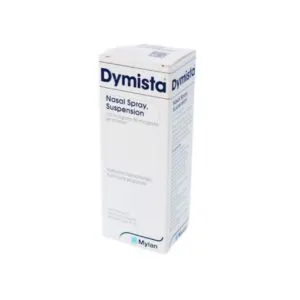
Dymista Nasal Spray
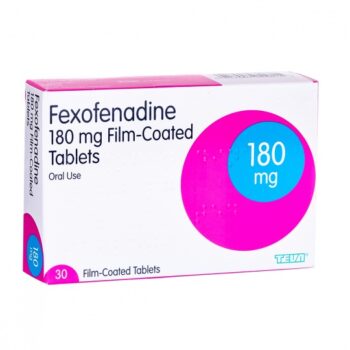
Fexofenadine 180mg Tablets
About This Condition
Hay Fever
Search for the right hay fever treatment in our online store, or contact us for expert advice.
The body’s reaction to pollen happens when the immune system mistakenly identifies these harmless particles as a threat. In response, it releases histamine, which triggers inflammation and the typical symptoms associated with hay fever. Because pollen levels vary throughout the year, symptoms often flare up during specific seasons, especially when trees, grasses, or weeds are releasing pollen.
Certain factors can make hay fever symptoms worse. Spending long periods outdoors during high pollen counts, drying clothes outside, or keeping windows open on warm days may increase exposure. Environmental triggers such as pollution or smoke can also intensify discomfort. People with asthma may notice that hay fever worsens their breathing difficulties.

Managing hay fever often involves a combination of avoiding triggers and using treatments to control symptoms. Checking daily pollen forecasts, wearing wraparound sunglasses, and showering after being outdoors can all help reduce exposure. Keeping windows closed during high pollen times and using air filters indoors may also make a difference.
Although hay fever can be frustrating, it can usually be managed effectively with the right approach. Seeking advice from a healthcare professional can help identify the best options for relief, especially if symptoms are severe or persistent. With proper management, most people are able to reduce their discomfort and carry on with their normal activities during pollen season.


Order Medicines
Search our online shop to find the medicines you require.

Prescriber Reviews
Our UK Pharmacist will review your order and dispense your medicine.

Receive Your Order
Your order will be dispatched to your chosen address.
FAQs
FAQs
Frequently Asked Questions?
Answers to common questions about eligibility, safety and treatment at Slinic.
What is hay fever?
Hay fever, or allergic rhinitis, is an allergic reaction to pollen that causes sneezing, runny nose, itchy eyes, and nasal congestion.
What are the best treatments for hay fever?
Antihistamines like Cetirizine or Loratadine, nasal sprays such as Beclometasone, and eye drops can relieve symptoms. A combination of treatments may be used for stronger relief.
When should I start taking hay fever medication?
Start treatment before pollen levels rise—usually early spring for tree pollen and late spring/summer for grass pollen—for the best results.
Can I take hay fever tablets every day?
Yes. During allergy season, daily use is recommended to maintain symptom control, especially on high pollen days.
Can I get hay fever treatment online?
Yes. Complete a brief consultation and, if suitable, a licensed prescriber will approve your request. Your treatment will be delivered discreetly across the UK.