

Conditions
Treatments for Period Pain
Search for the right period pain tablets in our online store, or contact us for expert advice.
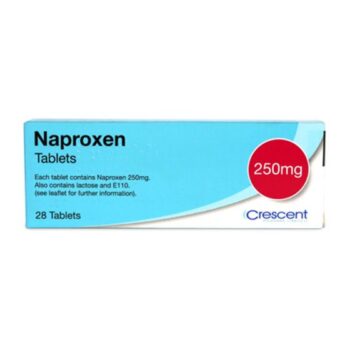
Naproxen Tablets
About This Condition
Period Pain
Search for the right period pain tablets in our online store, or contact us for expert advice.
There are two main types of period pain. Primary dysmenorrhoea is the most common and occurs without an underlying condition, usually starting in the teenage years once periods become regular. Secondary dysmenorrhoea, though less common, is linked to conditions such as endometriosis, fibroids, or pelvic inflammatory disease, and often causes more severe or long-lasting pain.
Lifestyle and health factors can influence how strongly period pain is felt. Stress, lack of sleep, and low physical activity may make symptoms worse, while regular exercise, a balanced diet, and good sleep routines can sometimes help reduce discomfort. Some people also find that heat therapy, such as hot water bottles or warm baths, provides relief during painful days.

Managing period pain often involves a combination of self-care techniques and, when needed, professional support. Over-the-counter pain relief is commonly used, but for those whose pain is persistent or severe, speaking with a healthcare professional is important to rule out underlying conditions and explore further treatment options.
Although period pain can be disruptive, it can usually be managed effectively with the right approach. Understanding what works best for your body, keeping track of symptoms, and seeking help if needed are all positive steps. With good management, many people find that they can ease the impact of period pain and maintain a better quality of life throughout their cycle.


Order Medicines
Search our online shop to find the medicines you require.

Prescriber Reviews
Our UK Pharmacist will review your order and dispense your medicine.

Receive Your Order
Your order will be dispatched to your chosen address.
FAQs
FAQs
Frequently Asked Questions?
Answers to common questions about eligibility, safety and treatment at Slinic.
How does Naproxen help with period pain?
Naproxen is an anti-inflammatory medicine that reduces the production of prostaglandins—hormones that cause painful uterine contractions. This helps ease cramps and reduce discomfort during your period.
When should I start taking Naproxen for period pain?
It’s best to take Naproxen at the first sign of period pain. For ongoing relief, it can be taken twice a day for a few days during your period, as advised by a prescriber.
Is Naproxen stronger than ibuprofen for period pain?
Naproxen and ibuprofen are both NSAIDs, but Naproxen tends to last longer and may be more effective for moderate to severe period pain. A prescriber can help decide which is best for you.
Can I take Naproxen every month for period pain?
Yes, many women use Naproxen regularly each month to manage period pain. However, it’s important to follow medical advice and only use it as directed to avoid side effects.
Do I need a prescription to buy Naproxen online?
Yes. At Slinic, you’ll complete a short online consultation. A licensed UK prescriber will review your answers to ensure Naproxen is safe and suitable for you.