
Conditions
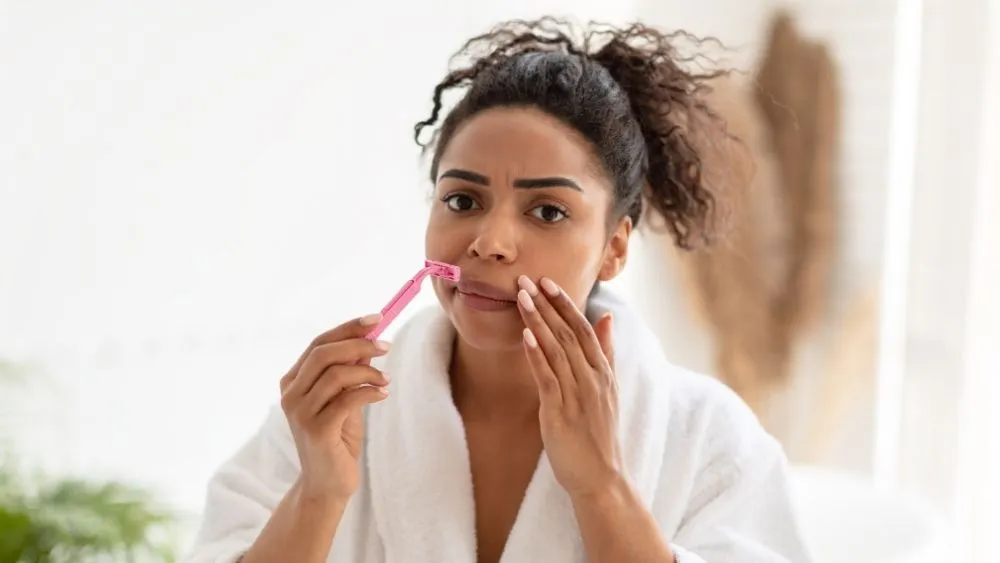
Treatments for Unwanted Facial Hair
Search for the right treatment for unwanted facial hair in women in our online store, or contact us for expert advice.
About This Condition
Unwanted Facial Hair
Search for the right treatment for unwanted facial hair in women in our online store, or contact us for expert advice.
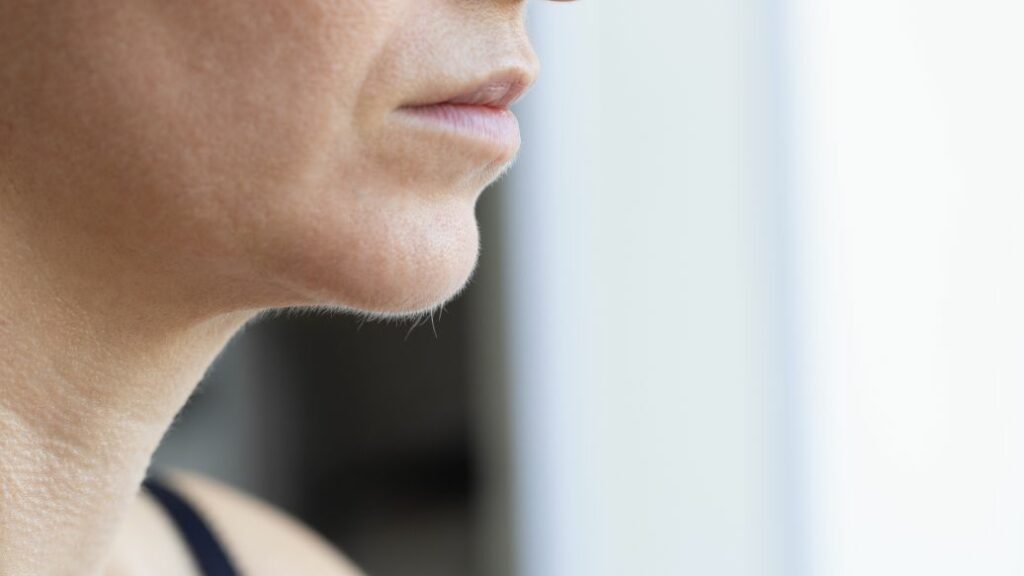
Other factors can also play a role in the development of facial hair. Genetics are often significant—if close female relatives experience similar hair growth, it is more likely to occur. Certain medications, medical conditions, or hormonal changes linked to ageing or menopause can also contribute to the problem.
Unwanted facial hair does not usually cause physical harm, but the emotional impact can be considerable. For some women, visible hair growth may affect self-esteem, confidence, or social interactions. Recognising this impact is important, as addressing the psychological effects can be just as valuable as treating the physical symptoms.
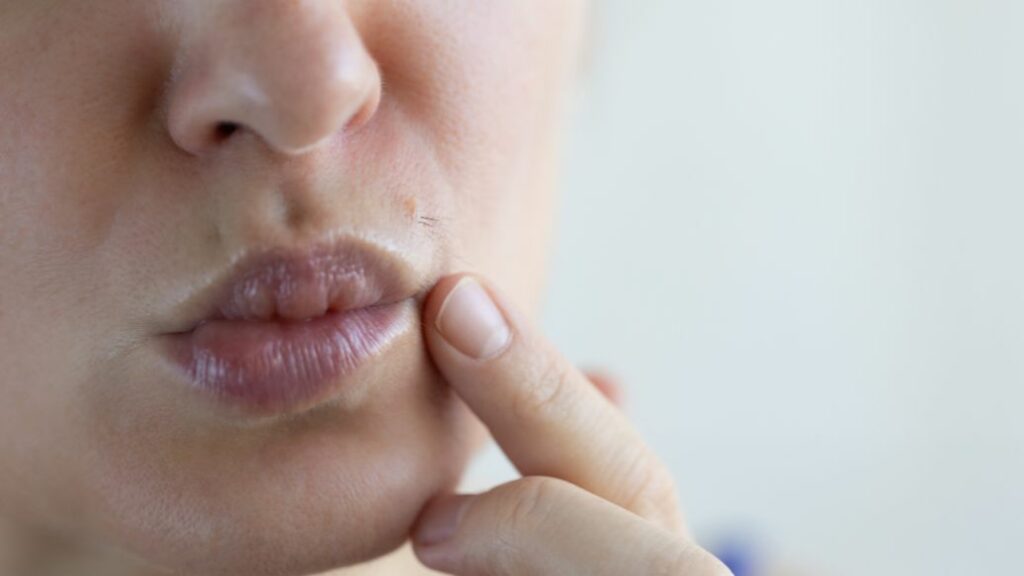
Management options depend on personal preference and the underlying cause. Some people choose cosmetic approaches such as waxing, threading, bleaching, or laser hair removal to manage appearance. Others may benefit from medical advice if the growth is sudden, severe, or accompanied by other symptoms, as this may indicate an underlying condition that needs assessment.
While unwanted facial hair can feel difficult to deal with, there are effective ways to manage it. Seeking advice from a healthcare professional can help identify whether there is a medical reason for the hair growth and provide reassurance on the best management options. With the right support, many women find solutions that not only reduce the hair itself but also improve confidence and overall quality of life.

Order Medicines
Search our online shop to find the medicines you require.

Prescriber Reviews
Our UK Pharmacist will review your order and dispense your medicine.

Receive Your Order
Your order will be dispatched to your chosen address.
FAQs
FAQs
Frequently Asked Questions?
Answers to common questions about eligibility, safety and treatment at Slinic.
What is Vaniqa used for?
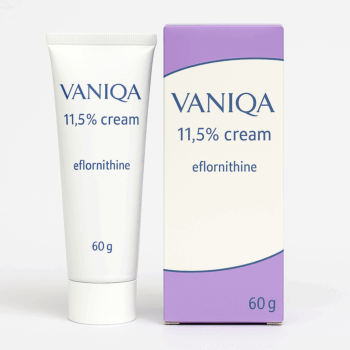
Vaniqa is a prescription cream used to slow the growth of unwanted facial hair in women. It’s commonly used on the upper lip, chin, or jawline.
How does Vaniqa work?
Vaniqa contains eflornithine, which blocks an enzyme involved in hair growth. With regular use, it helps reduce the rate and thickness of hair regrowth.
How long does Vaniqa take to work?
You may start to see results after 8 weeks of twice-daily use. If no improvement is seen after 4 months, treatment should usually be stopped.
Can I use Vaniqa with other hair removal methods?
Yes. You can continue using other methods like plucking or waxing while using Vaniqa. However, wait at least 5 minutes after hair removal before applying the cream.
Do I need a prescription to buy Vaniqa online?
Yes. At Slinic, you’ll complete a short online consultation. A licensed UK prescriber will review your answers and approve treatment if appropriate.