

GLP-1 Meal Plan UK: What to Eat in Your First 4 Weeks on Mounjaro
Practical UK-friendly food ideas, real protein and hydration targets, and gentle guidance to support your body as it adjusts to GLP-1 treatment.

Clinically reviewed by
Shadeia Younis, Superintendent Pharmacist (GPhC 2052119)
Starting a GLP-1 medication such as Mounjaro changes how food feels surprisingly quickly. Many patients notice a reduced appetite, feeling full sooner, or simply feeling less interested in food — particularly in the first few weeks of treatment.
That’s why the early stages of GLP-1 therapy are not about strict dieting or restriction. Instead, they focus on comfort, nourishment, and building a routine that feels manageable while your body adjusts.
This guide covers exactly what to eat during your first four weeks on a GLP-1 medication (using Mounjaro as the example), with real protein and hydration targets, sample UK meals, week-by-week structure, and specific food strategies for managing nausea and fatigue.
Part of a wider guide
For the broader overview of GLP-1 weight loss injections in the UK, see our pillar guide: Weight Loss Injections UK: Complete Clinician-Led Guide.
The Short Answer — Eating Well in Your First 4 Weeks
- Prioritise protein — aim for 1.2-1.6g per kg body weight daily (e.g. ~90-120g for a 75kg adult)
- Stay hydrated — at least 1.5-2 litres of fluid daily, sipped through the day
- Eat slowly — fullness signals will arrive sooner than they did before
- Smaller, more frequent meals usually feel better than large traditional portions
- Weeks 1-2: stick to gentle, plain foods that are easy to digest
- Weeks 3-4: rebuild balance — protein, carbs, and fibre at each meal
- Avoid (temporarily): very fatty, fried, spicy, or rich foods plus alcohol
- Don’t skip meals — even small ones help maintain energy and protein intake
What’s on this page
- 1A Helpful Mindset for the First Month
- 2Why Food Feels Different on GLP-1
- 3Protein and Hydration Targets
- 4Weeks 1-2: Gentle and Easy to Tolerate
- 5Weeks 3-4: Building Balance and Energy
- 6A Sample UK Day of Eating
- 7UK Shopping List for Week One
- 8Why Protein Matters on GLP-1
- 9Managing Nausea Through Food
- 10Managing Fatigue With Food
- 11Foods to Limit Temporarily
- 12When to Contact Your Prescriber
- 13Frequently Asked Questions

A Helpful Mindset for the First Month
Before focusing on specific foods, it helps to reset expectations.
During the first four weeks on a GLP-1 medication:
- Portions will usually be smaller — and that’s expected
- Appetite may vary day to day, especially around dose changes
- Some foods that you usually love may feel unappealing
- Comfort and consistency matter more than variety
- Eating slowly will become important — fullness arrives sooner than before
The goal is not restriction. It is eating enough to feel well, while allowing appetite changes to guide portions naturally.
For context on how appetite changes unfold week by week: How long does Mounjaro take to work for weight loss?
Why Food Can Feel Different on GLP-1 Medications
GLP-1 medications like Mounjaro (and dual GIP/GLP-1 agonists generally) work by influencing hormones involved in appetite regulation, fullness, and digestion. As a result, many patients notice:
- Feeling full more quickly — sometimes after just a few bites
- Less desire to snack — the urge to eat between meals fades
- Reduced interest in large or heavy meals
- Quieter “food noise” — the constant mental occupation with food softens
- Different preferences — sweet or rich foods may feel less appealing
This is why smaller, balanced meals usually feel more comfortable than forcing traditional meal sizes, especially in the early weeks. Trying to eat normal-sized meals when fullness arrives early often worsens nausea.

Protein and Hydration Targets
Two numbers matter most during GLP-1 treatment: how much protein you eat, and how much fluid you drink.
Protein target
Aim for 1.2-1.6g of protein per kilogram of body weight per day. This higher-than-standard target preserves muscle during weight loss and improves satiety from smaller meals.
| Body Weight | Daily Protein Target (1.2g/kg) | Daily Protein Target (1.6g/kg) |
|---|---|---|
| 70kg | 84g | 112g |
| 80kg | 96g | 128g |
| 90kg | 108g | 144g |
| 100kg | 120g | 160g |
| 110kg | 132g | 176g |
| 120kg | 144g | 192g |
| 140kg | 168g | 224g |
If 100kg starting weight and 120g protein target, that’s roughly 30g protein × 4 small meals — very achievable with a 150g chicken breast, a 170g Greek yoghurt, a 3-egg omelette, or 200g of cottage cheese.
Hydration target
1.5-2 litres of fluid daily, sipped gradually through the day. This includes water, herbal tea, and sugar-free squash — not just plain water.
Avoid drinking large amounts during meals (it competes for stomach space with food). Instead, sip steadily between meals.
Thinking About Starting Mounjaro?
The Slinic online consultation takes around three minutes. A pharmacist reviews your information within 24 hours — and pricing is transparent from the first dose.
Start Your Confidential ConsultationWeeks 1-2: Gentle, Simple, and Easy to Tolerate
The first two weeks are about helping your body settle into GLP-1 treatment. If you are starting on the 2.5mg introductory Mounjaro dose, this is designed for adjustment rather than weight loss — so don’t worry if portions feel very small.
Foods that often feel easier early on
- Eggs — boiled, scrambled, poached, or as omelettes
- Greek yoghurt or Skyr (high protein, easy to tolerate)
- Toast, crackers, or oatcakes — plain
- Soup and broths — chicken soup, lentil soup, vegetable broth
- Chicken, fish (cod, salmon, haddock), or soft tofu
- Porridge or overnight oats
- Cottage cheese, ricotta, or mild cheese
- Bananas, plain crackers, or rice cakes
- Plain rice, mashed potato, or pasta in light sauces
These foods are easy to digest, gentle on the stomach, and simple to portion when appetite is low. They also tend to be high in protein relative to volume, which matters when meal sizes are small.
If nausea appears
Eating smaller meals slowly often helps, as does choosing plain or soft foods, sipping ginger tea, and avoiding strong smells while cooking. For full strategies: Mounjaro side effects and how to manage them.
Weeks 3-4: Building Balance and Energy
As appetite becomes more predictable, most patients feel ready to move from “gentle only” foods to balanced meals that support energy and routine.
Aim for meals that include:
- A protein source (to support muscle and satiety)
- Some carbohydrates (for energy and tolerability)
- Vegetables or fibre, as tolerated (for digestion)
- A little healthy fat (olive oil, avocado, nuts)
Simple UK meal ideas
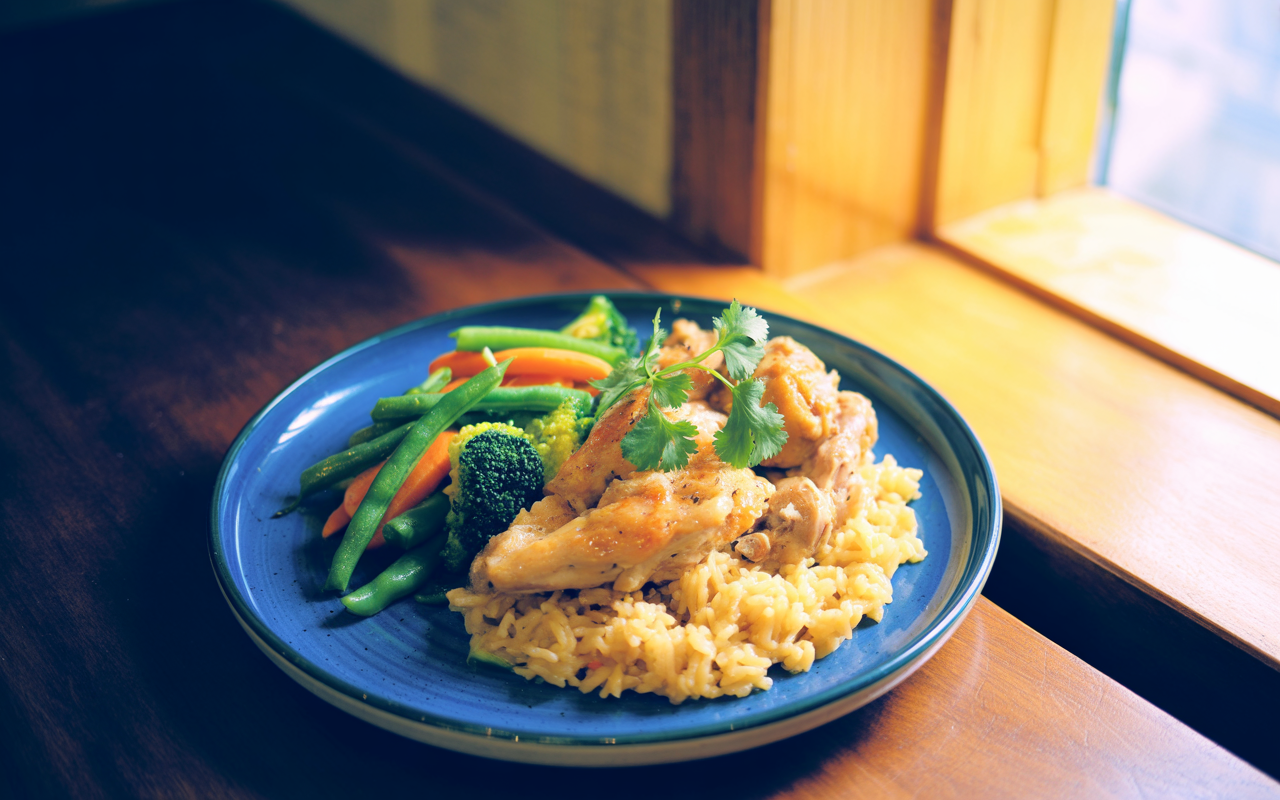
- Grilled chicken, jacket potato, and steamed broccoli
- Baked salmon with new potatoes and green beans
- Egg and avocado on wholemeal toast
- Greek yoghurt with berries, oats, and a few seeds
- Jacket potato with tuna mayo or cottage cheese
- Lean mince spaghetti bolognese (small portion)
- Chicken stir-fry with rice
- Roast vegetable and feta couscous with grilled chicken
- Quiche slice with a small mixed salad
- Cottage pie with seasonal veg
Portions don’t need to be large — consistency matters more than quantity. A small portion of a balanced meal is much better than skipping the meal entirely.
A Sample UK Day of Eating
Here’s what a typical day in week 2 or 3 might look like for someone targeting around 100-120g protein with three small meals plus snacks.
| Time | Meal / Snack | Approx. Protein |
|---|---|---|
| Breakfast (8am) | 2-egg scramble + 1 slice wholemeal toast + small banana | ~16g |
| Mid-morning (10:30am) | 170g Greek yoghurt + handful of berries | ~17g |
| Lunch (1pm) | 120g grilled chicken + small jacket potato + side salad | ~32g |
| Afternoon (4pm) | Oatcakes (2-3) with cottage cheese | ~12g |
| Dinner (7pm) | 120g baked salmon + new potatoes + green beans | ~28g |
| Evening (if hungry) | Small glass of milk or a protein-rich snack | ~8g |
| Daily total | ~113g protein |
Plus ~1.5-2 litres of fluid (water, herbal tea, sugar-free squash) sipped between meals throughout the day.
This is just an example — you should adjust portions based on appetite. The pattern matters more than the exact figures: protein at every meal, smaller portions, regular meals, and adequate fluid.
UK Shopping List for Week One
Stocking the right foods makes the first week much easier. Here’s a practical UK-supermarket shopping list for the first 7-10 days.
High-protein staples
- Eggs (1-2 dozen)
- Greek yoghurt or Skyr (multipack or large tub)
- Chicken breasts or thigh fillets
- Tinned tuna in spring water or olive oil
- Salmon fillets (fresh or frozen)
- Cottage cheese
- Lean beef mince or turkey mince
- Halloumi, feta, or mature cheddar
Gentle carbs and grains
- Porridge oats
- Wholemeal bread or sourdough
- Oatcakes or wholegrain crackers
- Basmati or wholegrain rice
- New potatoes
Fresh produce
- Bananas, apples, berries (fresh or frozen)
- Avocados
- Cucumber, tomatoes, lettuce
- Broccoli, green beans, carrots
- Spinach (fresh or frozen)
- Lemons (ginger and lemon helps with nausea)
Hydration and comfort
- Bottled or filtered water
- Ginger tea, peppermint tea, chamomile tea
- Sugar-free squash (if you find plain water dull)
- Fresh ginger root (for tea or cooking)
Useful storecupboard
- Olive oil, light salad dressing
- Tinned chickpeas, lentils
- Low-sodium chicken or vegetable stock
- Honey and oats for porridge
Free Slinic Mounjaro meal plan
For a full structured meal plan with day-by-day ideas, breakfast/lunch/dinner suggestions, and portion guidance: Slinic’s free Mounjaro meal plan.

Why Protein Matters on GLP-1 Treatment
Protein plays an essential role during weight loss supported by GLP-1 medications. Adequate protein helps:
- Preserve muscle mass — during any weight loss, some loss is fat, some is muscle. Adequate protein shifts the ratio in favour of fat loss
- Maintain metabolic rate — muscle is metabolically active tissue; preserving it preserves your resting calorie burn
- Support energy levels — protein helps stabilise blood sugar and provides sustained energy
- Keep you feeling satisfied — protein is the most satiating macronutrient per calorie
- Aid recovery and immune function — particularly important during rapid weight loss
The “protein first” strategy
When appetite is low, many patients find it helpful to eat the protein portion of the meal first, then add other foods as appetite allows.
If you can only manage half a meal, eating the protein half means you’ve still secured the most important nutritional element. The carbs and veg are easier to make up later.
Gentle resistance exercise (walking, light strength work) alongside adequate protein further protects muscle during GLP-1 treatment.
Managing Nausea Through Food Choices
Nausea is the most common Mounjaro side effect — particularly in the first 1-2 weeks and around dose increases. Most cases are mild and manageable through food choices.
What helps
- Eat slowly — give fullness signals time to arrive before continuing
- Eat smaller portions more frequently — 4-5 small meals work better than 3 large ones
- Choose bland or plain foods — toast, crackers, plain rice, plain yoghurt
- Avoid strong smells while cooking — opt for cold meals if smells trigger nausea
- Try ginger — fresh ginger tea, ginger biscuits, or ginger ale
- Sip fluids between meals rather than drinking large amounts with food
- Stop eating when full — there’s no benefit to pushing through
- Stay upright after eating — don’t lie down immediately
What to avoid
- Very greasy or fried foods
- Spicy or heavily seasoned meals
- Very rich, creamy, or cheesy dishes
- Carbonated drinks (gas adds to bloating)
- Drinking large amounts during meals
There’s no benefit in pushing through uncomfortable meals — listening to your body usually helps symptoms settle sooner.

Managing Fatigue With Food
Some patients notice tiredness early on, often because calorie intake has dropped faster than the body has adjusted to. This usually settles within 2-3 weeks.
Helpful food strategies:
- Don’t skip meals entirely — even small meals are better than missing them
- Include carbohydrates alongside protein — completely cutting carbs while appetite is low often worsens fatigue
- Eat little and often if larger meals feel uncomfortable — aim for something every 3-4 hours
- Prioritise iron-rich foods — lean red meat, eggs, lentils, leafy greens (low iron can cause fatigue)
- Stay well hydrated — even mild dehydration causes tiredness
- Watch caffeine intake — too much caffeine on an empty stomach can worsen jitteriness and crash patterns
Energy levels typically improve as intake stabilises by weeks 3-4.
Foods to Limit (Temporarily)
During the early weeks of GLP-1 treatment, most patients find these foods less comfortable:
- Very fatty or fried foods — chips, fried chicken, fish and chips, deep-fried takeaway
- Heavy creamy dishes — carbonara, creamy curries, rich cheese sauces
- Very spicy foods — especially if you don’t normally eat much spice
- Large portions late at night — slowed gastric emptying can disrupt sleep
- Carbonated drinks — gas adds to bloating
- Alcohol — slows gastric emptying, can worsen nausea, and is empty calories
Nothing is permanently restricted
These foods aren’t off limits forever — they may simply feel less comfortable while your body adjusts. As treatment progresses and routines stabilise, most patients find their food choices expand naturally back to a broader range. The first month is about comfort, not lifelong restriction.
When to Contact Your Prescriber
Most patients adjust to GLP-1 treatment well, but contact your prescriber if you experience any of the following:
Contact your prescriber if you have:
- Severe nausea or vomiting that prevents you from keeping fluids down
- Persistent inability to eat for more than 2-3 days
- Signs of dehydration (very dark urine, dizziness, headache, dry mouth)
- Severe abdominal pain (especially radiating to the back — possible pancreatitis)
- Yellowing of skin or eyes with upper-right abdominal pain (possible gallbladder issue)
- Weight loss faster than around 1.5kg per week sustained
- Persistent fatigue that doesn’t improve after 3-4 weeks
For non-urgent concerns about appetite, intake, or food tolerability, your prescribing pharmacist can usually offer practical guidance. Slinic patients have access to clinical support throughout treatment — not just at the initial consultation.

Clinician-Led Support at Slinic
At Slinic, dietary guidance is considered an important part of safe GLP-1 treatment. Patients receive clear, realistic advice around eating during early treatment, reassurance about appetite changes, support if nausea or fatigue affects intake, and flexibility as routines evolve over the first few months.
Shadeia Younis
Superintendent Pharmacist, Slinic (GPhC 2052119)
Eating well in the first 4 weeks of GLP-1 treatment isn’t about restriction or rigid plans — it’s about giving your body what it needs while it adjusts. Adequate protein, regular hydration, and gentle food choices set up better outcomes for the entire treatment journey.
Patients at Slinic have access to pharmacist-led support for practical questions like these — included in the monthly price, not charged as a paid extra. That clinical oversight is led by Shadeia Younis, our superintendent pharmacist.
With Slinic, you’ll receive
- Personalised guidance around eating during early treatment
- Clear advice on dosing, expectations, and what to do if appetite is very low
- Ongoing pharmacist-led support as your appetite and routines change
- Free access to Slinic’s structured Mounjaro meal plan
- Genuine UK-licensed Mounjaro from Eli Lilly
- Transparent monthly pricing — no separate consultation or follow-up fees
Related Guides From Slinic
These guides go deeper on topics most patients explore alongside their meal planning.
Medical references and guidance
Protein recommendations during weight loss treatment are based on guidance from the European Society for Clinical Nutrition and Metabolism (ESPEN), Nutritional management guidance for GLP-1 receptor agonists in the BNF, and the MHRA Summary of Product Characteristics for Mounjaro (tirzepatide). General hydration guidance follows NHS recommendations. This article does not replace individualised dietetic advice and is not a substitute for clinical consultation.
Frequently Asked Questions
Focus on gentle, easy-to-digest foods that prioritise protein — eggs, Greek yoghurt, soups, lean chicken or fish, oats, and simple carbohydrates. Aim for 1.2-1.6g of protein per kg body weight daily and 1.5-2 litres of fluids. Smaller, slower meals are usually more comfortable than traditional meal sizes.
GLP-1 medications like Mounjaro slow gastric emptying and modify hunger/satiety signals. This produces earlier fullness, reduced food cravings, and often a quieter “food noise” — making smaller portions feel satisfying and snacking decrease naturally.
Protein preserves muscle mass during weight loss, which protects metabolic rate and physical function long-term. Adequate protein (typically 1.2-1.6g per kg body weight) also improves satiety. When appetite is reduced, eating protein first ensures you get the most important nutrition from smaller meals.
Eat smaller meals more frequently, choose plain or bland foods (toast, crackers, plain yoghurt, ginger), avoid greasy, fried, spicy, or very rich foods, eat slowly to allow fullness signals to register, and sip fluids between meals rather than drinking large amounts during meals.
Appetite becomes more predictable as the body adjusts to GLP-1 medication and doses stabilise — typically by weeks 5-8. Appetite remains reduced (this is how the medication works) but feels less unpredictable than the first month.
No — nothing is permanently restricted. Very fatty, fried, spicy, or rich foods often feel uncomfortable in the first few weeks but this is usually temporary. As appetite stabilises and tolerance builds, most patients find their food choices expand naturally back to a broader range.
There is no fixed calorie target — appetite will guide portions naturally. The key is to eat enough to feel well, prioritise protein and hydration, and not skip meals entirely. If you are struggling to eat 3 meals per day or losing weight very rapidly (more than ~1.5kg per week sustained), contact your prescriber for a review.
Starting GLP-1 Treatment With Confidence
Knowing what to eat in the first weeks makes the whole experience feel less daunting. The Slinic consultation takes around three minutes — and a pharmacist reviews your information within 24 hours.
Start Your Confidential ConsultationMedical Disclaimer
This article provides general educational information about eating during the first 4 weeks of GLP-1 treatment and is not a substitute for individual dietetic or medical advice. Protein and hydration targets are general population guidance and may need adjusting for specific medical conditions, including kidney disease, diabetes, or pregnancy. Always consult qualified healthcare providers before starting weight loss medication. If you have concerns about your intake or weight loss pace, contact your prescriber.
Related Blog Posts From Slinic
Mounjaro and Food: The Definitive Clinical Guide – the definitive clinical guide to nutrition and weight loss on Mounjaro.
What to Eat on Mounjaro: A Specialist Guide to Clinical Nutrition – a specialist guide to clinical nutrition and what to eat on Mounjaro.
Mounjaro 5mg Results: What to Expect Before Moving Up – what to expect from Mounjaro 5mg results before moving up the dose ladder.