The Ultimate Guide to Sustainable Weight Loss in 2026
Sustainable weight loss is the most effective and safest way to reduce body fat and maintain long-term results. Instead of extreme dieting, modern weight management focuses on balanced nutrition, lifestyle habits, and structured clinical support. At Slinic, we focus on safe, structured, and medically supervised weight management designed to help you achieve results that last.
This guide explains what truly works for weight loss in 2026 — and why sustainable methods consistently outperform fad diets.
Why Sustainable Weight Loss Works
Although crash diets may promise fast results, they rarely lead to lasting change. In contrast, gradual fat loss supported by balanced nutrition and lifestyle improvements helps your body adapt while preserving muscle, energy, and metabolic health.
Sustainable weight loss:
- Supports long-term fat reduction
- Reduces the risk of weight regain
- Improves overall health markers
- Encourages healthier habits rather than restriction
Because of this, modern medical weight-management programmes prioritise steady progress over rapid, short-term losses.
Nutrition: The Foundation of Fat Loss
What you eat directly influences hunger, energy levels, and fat storage. Therefore, balanced nutrition remains one of the most powerful tools for weight management.
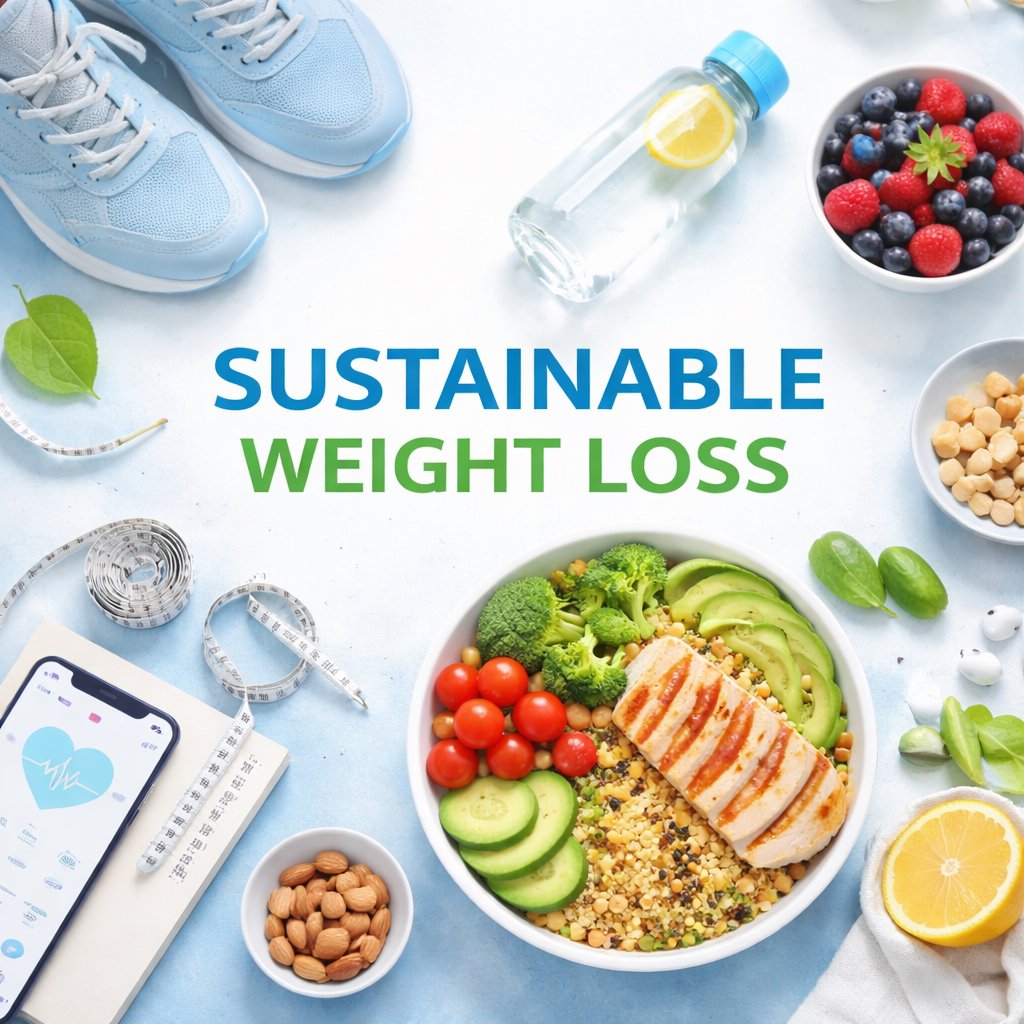
Foods That Support Weight Loss
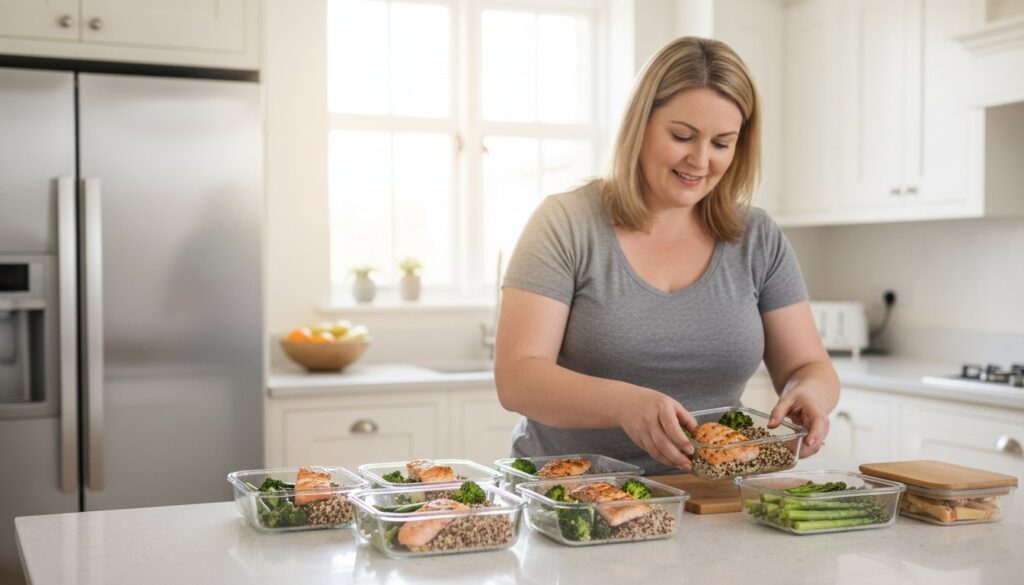
- Lean protein – chicken, fish, eggs, legumes
- High-fibre foods – vegetables, fruits, whole grains
- Healthy fats – nuts, seeds, olive oil
- Hydration – adequate water intake supports appetite control
Protein and fibre are particularly important because they help you feel fuller for longer, which may reduce overeating.
The Role of Hormones in Weight Control
Weight loss is not just about calories. Hormones that regulate hunger and fullness also play a major role. For example, poor sleep, stress, and irregular eating patterns can disrupt appetite signals, making weight loss harder.
However, when lifestyle habits improve, hormone balance often improves too — supporting better appetite control and fat loss.
Movement: Exercise That Actually Works
You do not need extreme workouts to lose weight. Instead, consistency is key.
Effective approaches include:
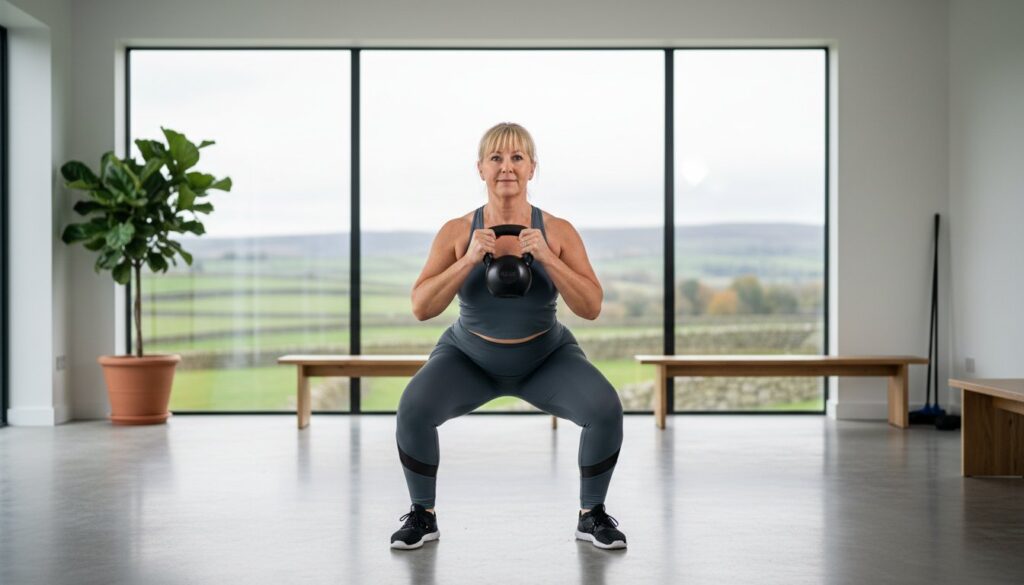
- Strength training to maintain muscle while losing fat
- Walking to increase daily energy expenditure
- Short interval sessions to boost metabolism
Even moderate increases in daily activity can significantly support weight-loss progress.
Sleep and Stress: The Overlooked Factors
Many people overlook sleep and stress, yet both strongly influence weight. Poor sleep can increase hunger hormones, while high stress may lead to cravings and reduced motivation.
To support weight loss:
- Aim for 7–9 hours of sleep
- Manage stress through relaxation or light activity
- Keep consistent daily routines
These changes often improve results alongside dietary improvements.
Why Clinical Support Improves Success
Although lifestyle changes are essential, structured medical support can help individuals stay on track safely and effectively. At Slinic, weight management is delivered within a pharmacy-led framework focused on safety, assessment, and ongoing guidance.
Clinical support provides:
- Professional assessment and monitoring
- Personalised treatment planning
- Ongoing progress reviews
- Evidence-based guidance
This approach helps patients achieve results in a controlled and supported way.
Common Questions About Weight Loss
What is the most effective way to lose weight?
The most effective method is one that combines balanced nutrition, physical activity, good sleep, and consistent habits.
Can I lose weight without exercise?
Yes, nutrition plays the largest role. However, activity improves overall results and health.
How quickly should I lose weight?
Steady, gradual progress is safer and more sustainable than rapid weight loss.
Final Thoughts
Weight loss in 2026 is no longer about extreme dieting. Instead, success comes from understanding your body, improving habits, and using structured, professional support when needed.
Sustainable change leads to sustainable results.
Start your weight-loss consultation now
The NHS also supports gradual, sustainable approaches to weight management:
https://www.nhs.uk/live-well/healthy-weight/