

Did you know that by 2026, approximately 13 million women in the UK will be peri- or post-menopausal, yet 62% report that standard fitness programmes fail to address their specific clinical requirements? It’s a frustrating reality to face the ‘middle-age spread’ or sudden joint stiffness while being bombarded with generic advice that ignores your changing biological architecture. When it comes to getting fit over 50 uk women deserve a specialist strategy that prioritises long-term musculoskeletal health and aesthetic harmony over superficial, temporary fixes.
We recognise that your body’s recovery rhythm has evolved and that the fear of injury can often overshadow the desire for physical transformation. You’ve likely found that the high-impact routines of your thirties now result in lingering discomfort rather than restorative energy. This guide provides a bespoke, medically-backed framework designed to rebuild your strength, improve bone density by a targeted 3% to 5% annually, and restore your metabolic confidence. We’ll examine the precise Slinic methodology for transitioning from physical uncertainty to a state of seamless, sustainable vitality through a professional lifestyle plan.
Key Takeaways
- Understand the physiological impact of menopause on metabolic rate and visceral fat distribution to better manage the biological shifts occurring after fifty.
- Learn why progressive resistance training serves as the gold standard for getting fit over 50 uk women, prioritising bone density and mitochondrial health.
- Identify how to bridge the “protein gap” and leverage medical weight loss treatments as a bespoke metabolic foundation for sustainable transformation.
- Follow a clinically-guided 12-week roadmap that transitions from foundational mobility to mastered resistance movements with specialist precision.
- Discover the importance of GPhC-regulated oversight and professional accountability in ensuring a safe, restorative, and long-term fitness outcome.
For a full comparison of UK Mounjaro providers including pricing, see:
⇒Slinic’s Top UK Mounjaro Providers Guide
Understanding the Biological Shift: Why Fitness Changes After 50
For UK women, the transition into the fifties isn’t merely a chronological milestone; it’s a profound physiological recalibration. When considering getting fit over 50 uk women must understand that as oestrogen levels decline during perimenopause and menopause, the body’s metabolic blueprint undergoes a fundamental change. This shift often manifests as an increase in visceral fat, the deeper adipose tissue stored around internal organs. Unlike subcutaneous fat, visceral fat is metabolically active and can increase risks for cardiovascular issues, making its management a clinical priority rather than a cosmetic one.
The decline in bone mineral density is another critical factor. Oestrogen plays a specialist role in bone remodelling; as levels drop, the rate of bone resorption outpaces formation. This biological reality necessitates a shift in perspective. We must move away from the outdated concept of “weight loss” and focus instead on metabolic health and body composition. This approach prioritises the preservation of the skeletal frame and the optimisation of the body’s internal weight loss mechanisms through precise, clinical intervention.
The Menopause Factor and Metabolic Health
Hormonal fluctuations directly impact how your body processes fuel. Clinical data indicates that the drop in oestrogen can reduce insulin sensitivity by up to 30%, making it harder for cells to absorb glucose efficiently. This often leads to blood sugar spikes and subsequent crashes, which drain energy and encourage fat storage. Managing blood glucose levels becomes essential for sustained vitality. At Slinic, we view this through the lens of “biological architecture,” ensuring the body’s internal structure supports a vibrant, youthful physique. Understanding Physical Fitness Explained through a specialist lens helps shift the focus toward long-term metabolic stability and aesthetic harmony.
Combatting Sarcopenia: The Silent Muscle Loss
The challenge of getting fit over 50 uk women face is frequently compounded by sarcopenia, the age-related loss of skeletal muscle mass. Without proactive intervention, women lose approximately 1% to 2% of their lean muscle mass every year after the age of 50. This loss is significant because muscle tissue is the primary driver of your resting metabolic rate.
- Metabolic Impact: Less muscle means fewer calories burned at rest, leading to gradual weight gain even if diet remains unchanged.
- Structural Integrity: Muscle mass is the foundation for joint stability and long-term independence.
- Cardio Limitations: Traditional “steady-state cardio,” such as walking, is insufficient to reverse this trend. It doesn’t provide the high-level stimulus required to trigger muscle protein synthesis.
A specialist approach requires resistance training to maintain the “biological foundation” of the body. This ensures that as you age, your physical form remains resilient, restorative, and capable of supporting a high quality of life.
The Clinical Fitness Framework: Strength, Bone Health, and Mobility
Achieving peak physical health after the age of 50 requires a shift from high-impact exhaustion to a structured, clinical methodology. For those focused on getting fit over 50 uk women must prioritise biological longevity over temporary aesthetics. This framework relies on a “Safety-First” protocol, where volume and intensity are calibrated to the individual’s recovery capacity, ensuring progress without the setback of injury. By treating exercise as a restorative medical intervention, we can build a foundation that supports a lifetime of movement.
Strength Training: Your Metabolic Superpower
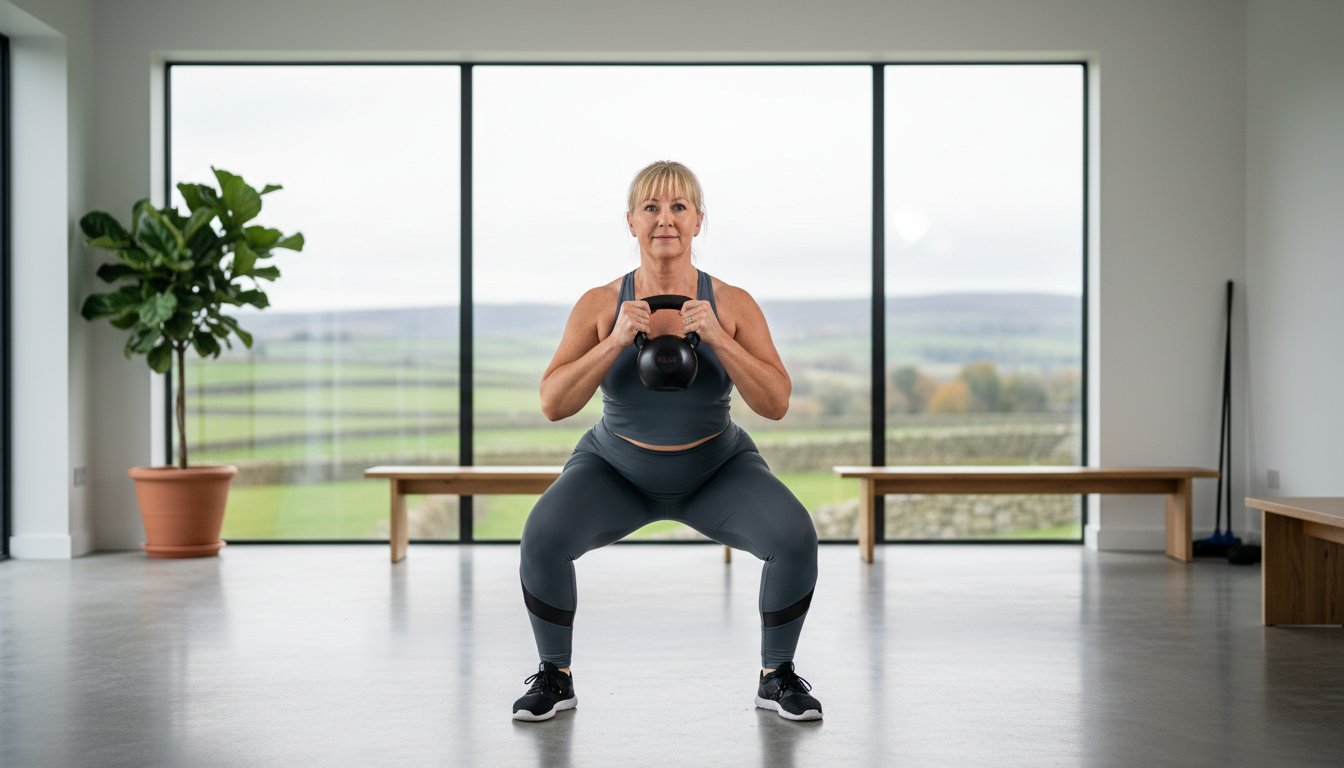
Progressive Resistance Training (PRT) stands as the gold standard for maintaining musculoskeletal integrity. By utilising compound movements such as squats, hinges, and presses, you stimulate bone density and counteract sarcopenia, the age-related loss of muscle mass. The Slinic philosophy emphasises “specialist precision”; it’s about the quality of the movement and the architectural alignment of the body rather than the sheer weight moved.
To see measurable results, aim for 2-3 sessions per week. This frequency respects the 48-hour protein synthesis window required for tissue repair and hormonal balance. Incorporating Essential Exercises for Over 50s into your routine provides a practical starting point for these foundational movements, ensuring your technique remains precise and effective.
Zone 2 Cardio for Heart and Metabolic Health
Mitochondrial efficiency is the engine of healthy ageing. Zone 2 training involves steady-state aerobic activity at a pace where you can still hold a full conversation without breathlessness. This specific intensity is optimal for fat oxidation, as it teaches the body to use lipid stores for fuel rather than relying solely on glucose.
In alignment with the UK Chief Medical Officer’s guidelines, women should target 150 minutes of this moderate activity weekly. This isn’t about “feeling the burn” or reaching peak heart rates; it’s about building a resilient cardiovascular foundation. Consistent Zone 2 work improves insulin sensitivity and lowers resting heart rates, which are critical markers for getting fit over 50 uk women in 2026.
Mobility acts as the essential support for all other physical training. Without a functional range of motion, strength training risks joint impingement and chronic inflammation. A bespoke approach to flexibility ensures that your fitness journey remains seamless and sustainable. If you’re looking to complement this physical framework with clinical metabolic support, you might consider a specialist consultation for weight loss to align your internal health with your external efforts.

Metabolic Support: Nutrition and Medical Weight Loss Integration
Achieving sustainable health for getting fit over 50 uk women requires more than just willpower; it demands a specialist understanding of biological architecture. As oestrogen levels decline, the body’s ability to maintain lean muscle mass diminishes, often leading to a slower basal metabolic rate. Bridging this metabolic gap involves a bespoke combination of precise nutrition and, where clinically indicated, pharmacological support to create a restorative foundation for long-term vitality. This integrated methodology ensures that getting fit over 50 uk women becomes a predictable, science-led transformation rather than a cycle of trial and error.
The Essential Role of Protein and Micronutrients
A primary hurdle in midlife fitness is the “protein gap.” To support muscle protein synthesis and prevent sarcopenia, women should aim for a daily intake of 1.2g to 1.5g of protein per kilogram of body weight. This level of precision ensures that exercise yields restorative results rather than causing further fatigue. Utilizing a calorie calculator allows you to identify your specific maintenance level, ensuring you aren’t under-fuelling your recovery. In the UK climate, where sunlight is often insufficient, supplementing with Vitamin D and ensuring adequate Calcium intake is vital for protecting bone density. These nutritional pillars provide the structural integrity needed to follow established Strength Training Guidelines safely and effectively.
Clinical Weight Management as a Catalyst
For many women starting their journey with a higher BMI, metabolic resistance can make traditional methods feel insurmountable. The Slinic approach views medical weight loss as a sophisticated catalyst rather than a standalone fix. Treatments like Mounjaro weight loss or Wegovy can assist in regulating blood sugar and suppressing appetite, allowing for a seamless transition into more active lifestyles. This isn’t about a quick fix; it’s about using specialist tools to reset the metabolic environment.
Clinical governance provides the safety framework necessary when merging pharmaceutical intervention with physical exertion. At Slinic, we monitor the synergy between medication and movement to prevent issues like excessive muscle loss. Our clinician-led guide to weight loss injections details how these treatments integrate with structured lifestyle changes. This meticulous oversight ensures that the transition to a healthier weight is both tranquil and permanent. By aligning medical expertise with personal commitment, we help patients achieve a state of aesthetic harmony and functional health that lasts a lifetime.
The 12-Week Progressive Roadmap: How to Get Fit Safely
Achieving peak physical health after 50 isn’t about rapid transformations or high-impact trends. It requires a bespoke, clinical approach that respects your biological architecture while building a foundation for the next three decades. For getting fit over 50 uk women, the journey must be restorative, prioritising joint integrity and metabolic health over superficial metrics. This 12-week roadmap is designed as a specialist framework to guide you through this transition with precision and care.
Phase 1: Establishing Movement Quality
The first four weeks focus on recalibrating your body’s alignment and stability. We prioritise core strength and balance to proactively reduce fall risks, which become a significant clinical consideration as bone density shifts. During this phase, daily walking serves as your non-negotiable metabolic baseline. It’s essential to gather data early on; use a BMI calculator for ladies to track your starting metrics and understand your unique physiological requirements.
- Focus: Mobility, pelvic floor health, and postural alignment.
- Movement: Bodyweight squats, bird-dog extensions, and 30 minutes of brisk walking.
- Goal: Establishing a consistent rhythm without overtaxing the central nervous system.
Phase 2: Building Strength and Stamina
From weeks five to eight, we introduce resistance to combat sarcopenia, the natural loss of muscle mass. Transitioning to light dumbbells or resistance bands allows for technique mastery before increasing load. We employ a concept called “Safety Netting” during this phase. This involves a conscious assessment of your physical capacity each morning. If you experience acute joint soreness or lethargy, the “Safety Net” dictates a shift to active recovery, such as stretching, rather than pushing through pain. Consistency is the hallmark of the Slinic experience; staying hydrated and maintaining a steady effort is more valuable than sporadic intensity.
Phase 3: Progressive Overload and Biofeedback
The final month introduces progressive overload, where we incrementally increase weight or repetitions to stimulate bone and muscle growth. Success in this phase relies on your ability to interpret biofeedback. You must monitor three key pillars: sleep quality, mood stability, and physical recovery. If your sleep is disrupted or your mood feels uncharacteristically low, your body is likely demanding more recovery time. We view fitness as a masterfully crafted balance between stress and restoration.
By the end of week 12, you’ll have transitioned from a sedentary state to a structured, clinical exercise programme that supports both your aesthetic goals and your long-term biological health.
Explore our specialist weight management services today.
Clinical Oversight and Long-Term Success: The Slinic Approach
Achieving sustainable results when getting fit over 50 uk women requires more than just willpower; it demands a foundation of medical precision. At Slinic, we treat weight management as a sophisticated clinical intervention rather than a temporary lifestyle shift. This Specialist approach ensures that every metabolic change is monitored by experts who understand the unique physiological transitions women face during this decade. Clinical oversight provides a safety net, allowing for the precise titration of treatments while managing the hormonal shifts common in your 50s.
Our “Safety-First” protocols are rigorous. We don’t just provide a prescription; we initiate a continuous cycle of professional accountability. This framework is designed to protect your long-term biological health through:
- Regular reviews of biometric progress and medication tolerance.
- Proactive management of gastrointestinal side effects to ensure daily comfort.
- Dosage adjustments based on the latest 2026 clinical guidelines from NICE and the MHRA.
- A focus on preserving lean muscle mass during fat loss.
Why Clinical Governance Matters
Slinic operates under strict GPhC regulation, ensuring that every registered pharmacist and doctor in our team adheres to the highest standards of UK healthcare. Our process begins with a robust eligibility assessment. Unlike high-street solutions, our video consultations allow for a nuanced discussion of your medical history and health goals. Once approved, your treatment is dispatched via discreet nationwide delivery, arriving in temperature-controlled packaging within 24 hours to maintain product integrity.
Your Next Steps to Specialist Care
The journey toward restorative health begins with a medical weight loss consultation. We encourage you to view this process as a lifelong investment in your biological architecture and aesthetic harmony. By prioritising clinical success over quick fixes, you’re building a body that’s resilient, capable, and vibrant. It’s time to move beyond guesswork and embrace a method rooted in science and specialist craft. Start your clinical weight loss journey with Slinic today and experience the difference that expert-led care makes for getting fit over 50 uk women.
Investing in Your Biological Architecture
Navigating the physiological shifts of midlife requires a transition from general exercise to a specialist clinical framework. Prioritising bone density and metabolic health isn’t just about aesthetics; it’s about preserving your functional autonomy for decades to come. By 2026, the integration of medical weight loss protocols with resistance training has become the gold standard for getting fit over 50 uk women. This evidence-based approach directly addresses the 3% to 8% decline in muscle mass per decade that typically accelerates after the age of 50. Success relies on a bespoke strategy that respects your unique biology and leverages modern medical advancements.
At Slinic, we provide the foundation for this transformation through expert clinical oversight. Our GPhC Registered Pharmacy (No. =1033729) and team of UK-registered Doctors and Pharmacists ensure your journey is safe, effective, and entirely personalised. We provide discreet nationwide delivery across the UK to support your progress with absolute privacy. You’ve spent years caring for others; now is the time to invest in your own restorative health and long-term vitality.
Begin your clinician-led weight loss consultation
Frequently Asked Questions
Is it too late to start getting fit if I am over 50?
It’s never too late to begin a bespoke fitness journey, as clinical data from the British Journal of Sports Medicine in 2024 confirms that muscle hypertrophy remains possible well into your eighties. When getting fit over 50 uk women often find that their biological architecture responds rapidly to structured resistance training. This restorative approach prioritises long-term functional health over temporary aesthetic fixes, ensuring your body remains a resilient foundation for the decades ahead.
How many days a week should a woman over 50 exercise?
The Specialist recommendation, aligned with 2026 NHS guidelines, is 150 minutes of moderate activity spread across five days, supplemented by two sessions of dedicated strength training. This cadence ensures optimal cardiovascular health while allowing for the necessary recovery periods that mature muscle tissues require. We view this schedule as a structured investment in your biological longevity, balancing intensity with restorative rest to maintain peak physiological harmony and metabolic efficiency.
Can I use weight loss injections like Mounjaro alongside a fitness plan?
You can integrate Tirzepatide, known as Mounjaro, into your fitness plan under strict clinical supervision to address specific metabolic concerns. Since the NICE approval in 2023, Specialist practitioners have used these medications to support weight management while emphasizing the preservation of lean muscle mass. Combining pharmacological support with a tailored exercise programme ensures that weight loss doesn’t compromise your structural integrity or the overall vitality of your biological framework.
What are the best exercises for menopausal weight gain?
Resistance training and high-intensity interval training (HIIT) are the most effective interventions for managing the visceral fat accumulation common during the menopausal transition. Research from the Menopause Charity in 2025 indicates that lifting weights twice weekly can increase your resting metabolic rate by 7%. This approach targets the hormonal shifts that affect body composition, providing a sophisticated solution that focuses on metabolic health rather than simple calorie restriction.
How do I protect my joints while starting a new fitness routine?
Protecting your joints requires a focus on biomechanical precision and progressive loading to strengthen the supporting connective tissues. We recommend starting with low-impact modalities like swimming or clinical Pilates, which offer a restorative environment for your skeletal structure. By prioritising form over volume, you ensure the successful integration of your fitness habits without risking the inflammatory responses often associated with high-impact, unsupervised routines that lack professional oversight.
Do I need to see a doctor before starting a new exercise programme?
You should consult a Specialist or your GP if you haven’t exercised for six months or if you manage chronic conditions like hypertension or osteoporosis. A clinical assessment provides a baseline for your biological architecture, allowing for a bespoke programme that mitigates individual risk. This initial consultation is a vital step in the Slinic experience, ensuring your transition into activity is both safe and scientifically grounded for long-term success.
How much protein do I really need after age 50?
Women over 50 require 1.2 to 1.5 grams of protein per kilogram of body weight daily to combat sarcopenia and maintain skeletal muscle. For a woman weighing 70kg, this equates to a range of 84g to 105g of high-quality protein. This nutritional precision is essential for getting fit over 50 uk women, as it provides the raw materials needed for cellular repair and the maintenance of a functional, confident physique.
What is the “safety netting” advice for women exercising on medication?
Safety netting involves monitoring for specific symptoms such as chest pain, extreme breathlessness, or sudden joint swelling during exertion. If you’re on beta-blockers, you’ll need to use the Borg Rating of Perceived Exertion rather than heart rate monitors, as these medications suppress your pulse. This clinical awareness ensures you can push your physical boundaries while maintaining a fail-safe environment for your cardiovascular and musculoskeletal systems throughout your journey.
